Dissolving your business is a big step, and the most important step after deciding to do it is getting the right Las Vegas, NV business lawyer on your side to ensure that everything is done correctly from start to finish. That way, you can rest easy that there won't be complications and nothing will come back later to bite you. What Should You Consider When Dissolving a Business in Las Vegas, NV? Whether You're Eligible To dissolve your business, you have to be in good standing with the Nevada Secretary of State. This is just a way of saying that all of your required filings have to be current. If you have licenses you haven't renewed or state taxes and fees that haven't been paid, you need to get these taken care of before you can dissolve. If you're not in a position to pay all your debts, taxes, and fees, then you may need to consider bankruptcy proceedings. Fulfill Your Obligations There are several legal obligations you have before you can officially dissolve your business, so you need to sit down and go over each of these with your lawyer. You'll need to not only pay taxes but also get clearance from the Nevada Department of Taxation. Then, you'll also have to cancel any business licenses and permits that you might have and notify all regulatory agencies that you are dissolving. You'll have to file your final tax returns and close out the tax accounts with the IRS and the state. Then, you notify all your creditors in writing. Prepare Your Filings With a Business Lawyer You also need to make sure your filings are thoroughly prepared, and if things aren't done properly here, there can be delays, debt may pile up, and you may be in for more liability than you expect. Articles of Dissolution have to be filed with the Nevada Secretary of State, and these filings need to include your reason for closing, the date of dissolution, signatures from everyone who may be required, your name and business ID, and an official statement that all debts have been paid or arrangements have been made for paying them. Think About Unknown Creditors If it's possible that you have a debt you've overlooked, the law requires you to publish a notice of dissolution in the local newspaper and give creditors 120 days to bring a claim. If this is a possibility for you, be sure that you put some money aside just in case there are unknowns. This is wise not only to pay creditors or in the event someone brings a lawsuit, but also in case you have back taxes or need to make a final payroll. List Out Stakeholders Finally, be sure to consider who needs to be notified in addition to government agencies. This would include all business partners, insurance companies, vendors, clients, property managers or landlords, and suppliers. There's a lot that goes into closing a business properly, and we can help. Contact the Hutchings Law Group in Las Vegas, NV today.

What Are the Differences Between a Non-Compete and NDA?
A non-disclosure agreement (NDA) and a noncompete agreement can both be important for businesses. With both, the general idea is to keep your proprietary business information safe from competitors and prevent someone from leaving your business and using what they've learned there to directly compete with you. To decide on the best agreement for your needs, contact a contract attorney in Las Vegas to go over the details. Non-Compete Agreement The purpose of a noncompete agreement is to make sure that an employee in particular, but sometimes other entities as well, don't leave their employment with you or end a contract working with you and then immediately go into direct competition by setting up their own company. These agreements typically have both a time and geographic limit. For example, they might specify that employee cannot set up their own business in the same field as you work within a year after leaving your employment and within 50 miles of your business. These agreements are not enforceable in some state states but they are here in Nevada. However, they have to be formulated exactly right in order to be enforceable, so it it's essential to have an attorney help you make sure that you cross all your t's and dot all your i's. Generally, a Nevada court will look to see that these agreements are reasonable in their scope and duration, meaning that if you try to restrict someone for more than a couple of years at the longest, the agreement will probably get tossed out. The agreement also has to clearly protect your legitimate business interests rather than simply stifle competition or try to keep your employee from being able to pursue their own business to force them to continue working for you. Finally, the court looked to see that these are "fair," which is a subjective standard but generally means that you can't create undo hardships for your employee or make things too vague. Non-Disclosure Agreement A non-disclosure agreement simply restricts employees or independent contractors from disclosing any proprietary information or important restricted information about your company. These can be a bit broader than NDAs because the purpose is to protect your company's position in the market and to ensure that you don't have a competitor sneak someone in to take advantage of you. It also means that, even if a competitor hires an employee out from under you, they can't get certain information out of that employee. They are only allowed to hire them for their talent: not for their knowledge of your company. Talk to a Las Vegas Contracts Attorney Today Whatever type of contract you need, it's always best to draft it and have it reviewed by an attorney. That way you can have confidence it will stand up to challenges in court and provide you with exactly the protections that you expect. For help with your contracts, contact us at the Hutchings Law Group in Las Vegas, NV today.

How Do You Protect Your Business in a Partnership Agreement?
If you're entering into a business partnership, it's an exciting time. A partner can make things a lot easier, and business partnerships allow you to capitalize on each other's strengths while shoring up each other's weaknesses. But a business partnership is always a bit risky, and it's never wise to go into one without the help of a Las Vegas business formation attorney. Get a Las Vegas Business Formation Attorney The first and most important thing to do is to get an attorney with experience in the Las Vegas business world and business law. An attorney will be able to protect you from signing anything that's not in your best interest, make sure that you and the other party fully understand what you're agreeing to, and even help you investigate potential partners to make sure that the partnership is wise and in your best interests. Get It In Writing Everyone trusts their friends, and it's quite common in small businesses especially for partners to come to an agreement on a handshake. In fact, some people are reluctant to ask for a written partnership agreement because they fear that it will look insulting or as if they don't trust their partner. But if you really are serious about protecting your business, you must get everything in writing, and a true friend or reliable family member who genuinely wants the best for you will understand this. The partnership agreement should clearly define everyone's role and what expectations there are for everyone involved. Have a Way to End the Partnership As good as a partnership is, it's in both your best interests to have a legal and clearly delineated method for exiting the partnership if that becomes necessary. This might not be because someone does anything wrong; it could just be because one partner dies or has to leave the business for other reasons, such as health or family concerns. If you can agree on how to do this and the terms for it in advance, things will go much more smoothly if the moment comes. Make Sure You're Safe From Debt Debt is always something to be feared in a business, and when you sign on a new partner, you need some assurance that they will not be able to saddle your business with more debt than you're willing to deal with. If they can't pay their debt, you personally or the business may become liable. Make sure you have it in writing how much debt any one partner can get the business into, and make sure that you have enough capital to cover your current liabilities at the time of signing. Get Insurance Never avoid getting insurance because you "can't afford it." You absolutely cannot afford to not have insurance. This is an investment that should be a non-negotiable for any business and is absolutely essential when you're establishing a partnership.To make sure your business is protected in a partnership, contact the Hutchings Law Group in Las Vegas for help in Vegas, Henderson, Summerlin, and the Greater Nevada area.

What Legal Remedies Are Available for a Breach of Contract?
Insights From a Las Vegas Contract Lawyer When you enter into a contract in Nevada, whether it’s for a business partnership, profit-sharing arrangement, or clearly defined roles and responsibilities, you expect all parties to honor their word. Unfortunately, that doesn’t always happen. If your partner or another party violates the terms of your agreement, you may have the right to enforce the contract or seek compensation. This could mean anything from recovering financial losses to asking the court to compel the other side to fulfill their obligations. Let’s break down some of the legal remedies that may be available to you. 1. Compensatory Damages: Getting Back What You Lost If the breach caused you measurable financial harm, you can seek compensatory damages to restore your position. For example, you might have a claim if the other party: Failed to deliver goods or services as agreed Diverted company assets for personal gain Withheld income or profits you were entitled to We work closely with financial partners to calculate your true losses and present a strong case for the compensation you deserve. 2. Specific Performance: Forcing the Other Party to Follow Through Sometimes, money isn’t enough to make things right. If your contract involves a unique asset, such as a business interest or exclusive rights, the court may order specific performance. This means the breaching party must carry out their end of the agreement. Nevada courts typically grant specific performance only when no other adequate remedy exists. 3. Contract Modification or Cancellation: Fixing or Ending a Bad Deal If the contract itself is flawed or was entered into under unfair circumstances, we may be able to have it revised or voided entirely. This can happen when: A party signed under duress or pressure There was a lack of full disclosure of important information Misrepresentations were made during negotiations The contract violates public policy or is unconscionable In these cases, the court may either modify the terms to make them fair or set aside the agreement altogether. Why Legal Action Matters Breach of contract claims can have serious consequences—not just legally, but financially. The sooner you take action, the better your chances of recovering losses, protecting your business, and ensuring the other party is held accountable. If you believe your contract has been breached, don’t wait. Call Hutchings Law Group at 702-660-7700 today to schedule your consultation. Let’s protect your interests and make sure your agreements are respected.
5 Things to Know Before Starting a Business in Las Vegas
Starting a Business in Las Vegas? Here Are 5 Things to Know Before You File Anything Starting a business in Las Vegas feels like an exciting gamble, but there’s a lot more to it than finding a good location and setting up shop. Nevada is a business-friendly state with no personal income tax and a straightforward registration process—but that doesn’t mean it’s simple. Entrepreneurs often underestimate how important the first few legal steps are when forming a new company. At Hutchings Law Group, we regularly help local business owners avoid costly mistakes by guiding them through the formation process the right way. Whether you’re opening your first LLC or converting your side hustle into a formal company, here are five things every Las Vegas entrepreneur should understand before moving forward. 1. The business structure you choose will affect everything Many new business owners rush through this part and just pick an LLC because it’s popular. But the choice between an LLC, corporation, partnership, or sole proprietorship has lasting effects. It impacts how you’re taxed, how you raise money, and how much personal risk you’re exposed to if something goes wrong. Nevada is known for being friendly to corporations and LLCs alike, offering privacy and asset protection, but choosing the right entity really depends on your goals. If you're planning to bring on investors or want to go public someday, a corporation might be a better fit. If you want flexibility and fewer formalities, an LLC may be the way to go. We’ve seen plenty of businesses outgrow their structure too quickly or regret not protecting themselves from liability early on. That’s why this isn’t a decision to make alone or in a rush. 2. You need to register with the state—but that’s just the beginning Registering your business with the Nevada Secretary of State is a key step, but it’s not the finish line. You’ll need to file your Articles of Organization or Incorporation, appoint a registered agent, and submit an Initial List of Managers or Officers within 30 days of forming. On top of that, you’ll need a state business license. If you forget or miss a deadline, your company could be hit with penalties—or worse, lose its good standing altogether. It’s easy to assume these are one-time tasks, but Nevada also requires annual renewals and updates to keep your business active and compliant. 3. Don’t overlook local licenses and zoning rules A lot of people get tripped up here. Even if you’ve filed all the right documents with the state, the City of Las Vegas (or Clark County, depending on your location) has its own set of rules. Most businesses need a city or county business license, and some industries—like food service, salons, or home-based businesses—require additional permits or inspections. On top of that, zoning laws can restrict where you operate or what kind of signage you use. Skipping this step or assuming it doesn’t apply to you is a fast way to run into trouble with the city. Make sure you check your location and industry requirements before opening your doors. 4. Internal documents matter—especially with partners If you’re starting a business with others, don’t rely on handshakes or casual agreements. You need something in writing that spells out how decisions are made, who owns what, and what happens if someone wants out. LLCs should have a detailed operating agreement. Corporations need bylaws. Even solo founders can benefit from having these documents ready—especially if you plan to grow or bring on outside help later. Without clear internal rules, small disagreements can turn into major legal disputes. We help our clients avoid that by putting strong, customized agreements in place from the beginning. 5. Stay on top of compliance—it doesn’t stop after formation Once your business is legally formed, it’s easy to assume you're in the clear. But staying in good standing with the state and local agencies requires regular maintenance. That includes things like renewing your business license every year, filing your annual list of managers or officers, and keeping proper records. If you don’t, you risk fines—or having your business status revoked altogether. Having a business law firm in your corner helps you stay ahead of these deadlines. At Hutchings Law Group, we provide ongoing legal support to help business owners keep their companies protected and on track. Planning to Launch a Business in Las Vegas? Let’s Do It Right. Setting up a business in Nevada offers huge advantages—but only if it’s done carefully. Don’t let paperwork mistakes, licensing issues, or unclear agreements derail your plans. At Hutchings Law Group, we work with Las Vegas entrepreneurs at every stage—from formation to expansion. Whether you're just getting started or need help refining your structure, we're here to help you build something that lasts. Call us today or visit our website to schedule a consultation. Let's get your business off the ground—strategically and legally sound.

What Legal Steps Should Be Taken When a Vendor Violates a Service Contract?
Though signing a service contract with a vendor defines expectations and protects all parties, there are instances in which vendors aren't willing or able to fulfill the contract's terms. When that happens, there are some legal steps you can take in Las Vegas to remedy the situation, beginning with consulting a contracts attorney. Step 1: Review Your Contract The first step to take when you suspect a breach of contract has occurred is to review the contract to confirm your suspicions. Thoroughly study the terms and focus on performance clauses, deliverables, terms of payment, schedules and deadlines, and any specified remedies for disputes. All these factors could impact your next steps, so it's important to understand the contract's terms and how the other party may have violated them. Step 2: Define the Breach It's important to determine the type of breach involved in the dispute, as different remedies are available for each kind. A material breach is when one party fails to fulfill a major stipulation of the contract. These cases often require litigation. A minor breach is when a minor clause is breached, but the contract can still fulfill its purpose. An anticipatory breach is when one party states that they cannot, or will not, fulfill the terms. Step 3: Communicate With the Other Party When you suspect a breach has occurred, you should first address it with the breaching party. Explain the problem to them, using any evidence you have to support your statements, and ask for an explanation or a proposed resolution. Once initial contact is made, it may be necessary for your attorney to draft a demand letter that clearly states the problem, the contract terms that were violated, your expectations for resolving the issue, and a deadline for fixing it. Step 4: Seek a Resolution or Mediated Remedy If the demand letter doesn't result in immediate resolution, you can attempt to negotiate a solution or seek one through mediation or arbitration. Your attorney can negotiate directly with the breaching party's counsel to find an agreeable solution. Or, you can pursue mediation, in which a third party negotiates a compromise. Finally, there's arbitration, in which the parties agree to have the case decided by a neutral arbiter through a binding ruling. Step 5: File a Lawsuit If none of the prior steps garner a satisfactory result, you can seek damages by filing a breach of contract lawsuit. The court will review the contract and the evidence of a breach and make a ruling. The court may award you damages to compensate for losses caused by the breach, compel the breaching party to fulfill the contract terms, award punitive damages if the breach is deemed to be malicious, and require payment of the claimant's attorney fees. If you've been the victim of a breach of contract in Nevada, there are actions you can take to recoup your losses and ensure that you aren't penalized for the failure of another party to fulfill contract terms. To speak with an experienced attorney today about your rights in a breach of contract, contact Hutchings Law Group in Las Vegas, NV, today.
What Are the Benefits of Incorporating a Business Versus Forming an LLC?
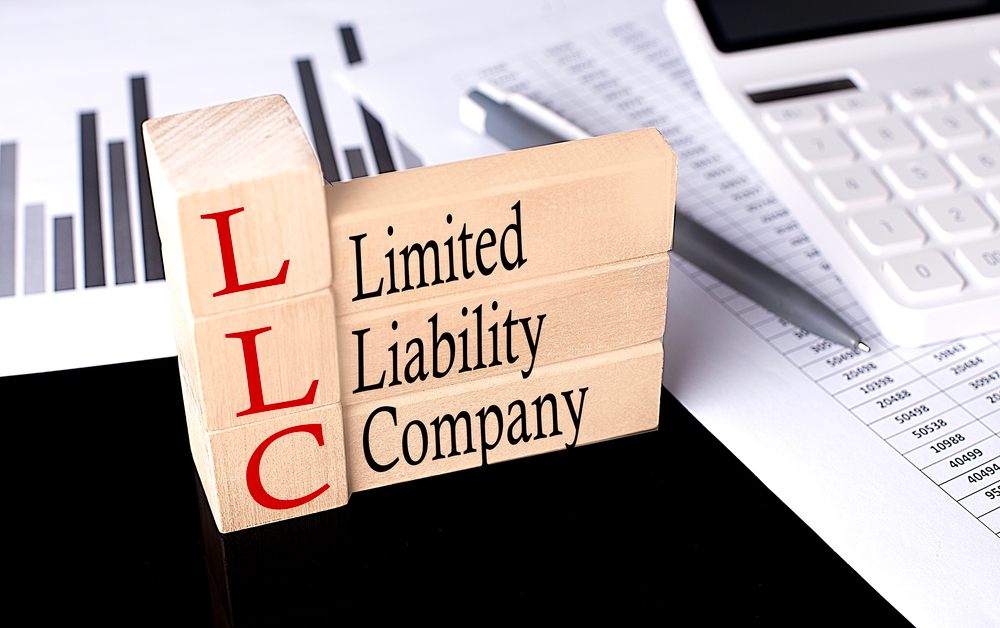
If you're starting a brand-new business in or around Las Vegas, one of the most vexing questions can often be whether your business would be better served by forming an LLC or a corporation. It helps to compare the relative advantages of each business structure so you make the best choice to suit your business both now, and in the future. A good incorporation lawyer is also critical to get things set up as quickly and smoothly as possible. The Advantages They Share Whether you form your business as an LLC, an S-Corp, or a C-corp, you'll net certain advantages overall compared to forming your business as a sole proprietorship. The most important advantage is the limited liability protections that come from a corporate or LLC structure, which protects your individual assets should the business wind up accruing debts it cannot pay. Nevada also extends charging order protections to both LLCs and to corporations with less than 75 shareholders, ensuring that small businesses with these structures cannot be forced to liquidate assets in order to satisfy a judgment against the organization. The Pros and Cons of Forming an LLC The great news about LLC formation in Nevada is that it's a fairly quick and easy process, and it can be a great path forward for a business which will only ever has a single owner. LLC formation requires the filing of Articles of Organization, which assign roles and duties to each member of the LLC. However, there are some drawbacks to LLC formation. Unlike a corporation, a Nevada LLC can't exist in perpetuity. A sunset date has to be specified in the Articles of Organization. Additionally, LLCs are taxed as pass-through entities, meaning that all profits from the business appear on the members' personal tax returns. The Pros and Cons of Forming a Corporation Complexity Corporations have some added legal requirements in Nevada compared to LLCs. Corporations are required to issue stock, for example, even if every share of the corporation is solely owned by a single person. However, the issuance of stock is an excellent upside to the corporate business structure. That's because it's relatively easy and straightforward to issue new stock, which makes it easy to offer potential investors a partial share of the company. Shares can be sold or transferred, and the business entity continues to exist even after the death of one or all of the current shareholders. If your business grows large enough, shares can even be publicly traded. Tax Benefits Corporations are divided into C-corporations and S-corporations for tax purposes. S-corporations function much like LLCs in that they function as pass-through entities, while C-corporations are considered separate entities from their owners for tax purposes. Shareholders of C-corporations are taxed only on the salary they draw from the company, which can limit personal income tax liability. The Role of a Good Incorporation Lawyer A good incorporation attorney can help guide you to make the best decisions for your new company in both the short and long term. A good attorney can also ensure that the paperwork to structure a business entity is filed quickly and correctly, reducing headaches and maximizing speed to launch, and helps with ongoing headaches like navigating employment laws, ensuring compliance with state and federal law, and much more. Your Vegas business deserves the best start it can get. Schedule a consultation today with the excellent attorneys at Hutchings Law Group in Las Vegas, NV.

What Are Key Clauses to Protect Intellectual Property in a Business Contract?
Intellectual property is often an integral component for commercial success, so it's essential that it's properly protected in any business relationship. A business contract lawyer in Las Vegas, NV can draft appropriate clauses that clarify the ongoing ownership of intellectual property and set out the circumstances in which it can be used. Having a clear contract in place ensures that if there are any breaches, legal action can be taken. What Kinds of Risks Exist for Intellectual Property Use? Sharing confidential information may sometimes be unavoidable when partnering with others, but this presents potential risks. Some of the possible problems could include: Theft of intellectual property Infringement of agreed use of intellectual property Disclosure of confidential information Reverse engineering Failure to adhere to agreed standards, causing reputational damage The most effective way to guard against any intellectual property issues is the use of key clauses within a contract. These must be drafted correctly to make them legally enforceable, so it's essential to seek advice from a lawyer who specializes in business. How Can a Business Contract Provide Protection? Having a clear business contract ensures that all parties understand what is permitted and what the consequences of any breach will be. This prevents accidental misuse and may also deter any malicious or deliberate breaches. If you have to take legal action due to a breach, having a clear contract ensures that you can prove all parties were aware of the terms of permitted use. What Key Clauses Should Be Included? The terms of any contract will depend on the nature of the business, but should typically include: Definition of intellectual property Ownership of deliverables and any exceptions Confidentiality and non-disclosure Licensing terms Assignment of rights to a third party Reservations and restrictions Moral rights provision Indemnification for losses Penalties for misuse or breaches, including termination terms Dispute resolution procedures The key clauses should seek to cover the entire journey of any product or service relating to intellectual property, clarifying ownership and liability at each stage. The contract should also ensure that there is no way intellectual property can be shared with a third party or made public without clearly defined penalties. Consult a Business Contract Lawyer in Las Vegas The clauses that should be included in any business contract are wide-ranging and should be specific to the product and industry. It's also essential that they are legally enforceable, as otherwise the contract offers no protection. For this reason, it's vital to use an experienced business contract attorney to draft the contract terms. It's also advisable to use a local attorney who is familiar with the intricacies of Nevada law. As business owners ourselves, we understand the importance of robust contract terms. We have drafted contracts for many business owners, executives, and professionals, as well as helped with cases of intellectual property misuse. To discuss how we could help you today, contact Hutchings Law Group in Las Vegas, NV to schedule a consultation.

How to Handle Breaches of Non-Disclosure Agreements
Business relationships often require disclosure of sensitive or privileged information, which presents a risk. One of the most effective ways to reduce this risk is through non-disclosure agreements, also known as confidentiality agreements. A contracts lawyer in Las Vegas, NV can help you to draw up a non-disclosure agreement to ensure that it's legally binding. They can also help you if you believe the non-disclosure agreement has been breached. Do Non-Disclosure Agreements Prevent All Disclosure of Confidential Information? Non-disclosure agreements (NDAs) are a powerful legal tool that creates a binding contract. In most cases, this prevents the recipient of the information from being able to legally disclose the information without consent. However, NDAs have limitations and can't be enforced in all situations. For example, an NDA can't be used to prevent the disclosure of illegal information or unlawful activities, and it doesn't prevent reverse engineering. The wording of the NDA must also be reasonable and explicit regarding scope and duration. Failure to create an NDA that is clearly worded may mean that it's not upheld in court. Steps to Take Following a Breach of Confidential Information 1: Gather Evidence Before taking legal action, investigate the suspected breach and gather evidence. You need to show what the breach is, how the confidential information was disclosed, and how the disclosure has been used. Demonstrating the impact of the disclosure on your business will also strengthen your case. 2: Check the Terms of Your Agreement The NDA should clearly state what constitutes a breach and what the remedies are. This could include financial damages, legal action, and the termination of any related business contract without penalty. 3: Seek Advice from an Experienced Contracts Lawyer You should never ignore a breach, even if your business has not been materially harmed. This is because it could appear to others that you don't take breaches seriously and don't enforce your legal rights. Consult your lawyer to establish what legal recourse you have and what steps you should take next. 4: Pursue Legal Action Several legal remedies are available, and your lawyer will advise which is the most appropriate for your circumstances. This will usually begin with a cease-and-desist letter, instructing the other party to refrain from any further breaches. It may also ask them to take remedial action. Depending on the severity of the breach and the response, your lawyer may advise you to file a lawsuit for damages. In some circumstances, your lawyer may recommend immediate additional action, such as an application to the court for an injunction. This can limit the damage caused by the breach and prevent further use of the confidential information. Providing clear evidence of the breach is essential if you want the court to grant an injunction. If you believe a business contract has been breached, or you would like a non-disclosure agreement drafted, contact us today at Hutchings Law Group in Las Vegas, NV to schedule a consultation.

Can Oral Agreements Be Legally Binding in Nevada?
Any experienced contract law attorney will likely advise you to put all agreements in writing. This helps eliminate any ambiguity over the contract terms and is good business practice. But is this a legal requirement, or are oral agreements equally binding? Below, we examine the legalities of oral agreements and the law in Las Vegas, NV. Although oral agreements are less common, they are legally binding and carry the same weight as written contracts. As long as the criteria for forming a contract are met, an oral agreement is just as enforceable as a written one. However, verbal contracts are used less frequently because misunderstandings are more likely to arise. What Constitutes an Oral Agreement? An oral agreement must include the same fundamental elements as any other type of binding contract: Offer and acceptance Mutuality Consideration Legality This means that a clear offer must be made and accepted and both parties must fully understand the terms. There must be benefits going in both directions, such as services and payment: otherwise it is a gift, not a contract. It is only possible for a contract to be binding if the subject is lawful; agreements involving criminal or illegal activities cannot be enforced. Are Oral Agreements Always Valid? The statutory code in Nevada prohibits oral agreements in the following situations: For the sale of goods with a value of $500 or more Any real estate contracts Assignment or grant of an existing trust All marriage contracts and settlements (including divorce) Fees of $1,000 or more for securing a loan for another person Money lending with a value of $100,000 or more Pre-marital agreements Agreements that aren't due to be enforced for at least 12 months Agreeing to be responsible for the debt of another person If you attempt to make an oral agreement for any of the above, the contract will not be legally binding. Can Oral Agreements Be Useful? Having a written agreement is generally preferable. There can be disagreements or misunderstandings in even well-established professional relationships, and written contract terms are a valuable point of reference. However, oral agreements may still be practical in some circumstances, such as: Personal or small transactions Temporary or short-term agreements Agreements within a trusted relationship For example, an oral agreement may be sufficient when taking a vehicle to a trusted mechanic for a minor repair. Get Advice From a Contract Law Attorney If you have entered into an oral agreement or are considering making one, it's advisable to consult a legal professional. An attorney with experience in contract law can guide you through the process and help ensure that the agreement meets your needs. They can also assist with disputes or breaches of oral contracts, including enforcement action. With our extensive experience in business contracts, we have successfully helped numerous clients. To discuss your business contract needs, get in touch with us today at Hutchings Law Group in Las Vegas, NV.

What to Do If Your Business Contract Is Disputed in Nevada
If you are in the state of Nevada and your business is facing a contract dispute, here are the basic steps to follow, according to a Las Vegas contracts lawyer. Review the Contract Terms The first step, of course, is to read the contract carefully to verify that the dispute is actually legitimate! Check the terms to verify that a breach of the contract has actually occurred. Look closely at any part of the contract specifying obligations and performance; you want to check whether the other party has failed to fulfill their part of the bargain. Then identify how the contract states that disputes should be handled, such as through arbitration or mediation. Get All Relevant Documentation Together Compile all the written documentation related to the dispute. This would include the contract itself, all communication between you and the other party, work records, invoices, performance reports, and any other written documentation. The purpose is to have a clear record of what happened to demonstrate the sequence of events. Attempt a Resolution Direct communication is often the best way to resolve a dispute. Attempt this first, before pursuing any other means of resolution. Keep a professional and polite manner. Focus on finding common ground: saving time and expense by resolving the issue directly is in the interests of both of you! Keep documentation of your attempts to resolve this directly. Save all written communication and keep written notes of all verbal communication, noting dates, times, the people involved in the conversations, and what was discussed. If Necessary, Look into Arbitration or Mediation If your contract specifies that alternate resolution is required before pursuing litigation, then you must look into that before going to court. Even if your contract does not specify alternate resolution methods, Nevada encourages businesses to look into arbitration or mediation before taking legal action. Arbitration is when a neutral third party listens to both sides of the dispute and then makes a binding decision about the matter. Mediation is when a neutral third party helps both sides discuss and negotiate to reach a conclusion that both sides are okay with. As a Final Resort, Consider Litigation In Nevada, civil courts handle business contract disputes. If negotiations and alternate dispute resolution messages do not succeed, then you may have to pursue legal action. Just be sure to consider whether the potential financial losses or damage to your business make litigation the best means of resolving the dispute. Pursuing the matter in court will cost you time and money. If you do decide to pursue a court case, look for an experienced attorney to assist you in taking the matter to court, to guide you through all the legal requirements. If your business is dealing with a contract dispute, reach out to Hutchings Law Group in Las Vegas, NV, for legal advice and assistance.

What Legal Considerations Are Essential When Forming a Partnership in Nevada?
It's important to lay a sound legal foundation when you go into a business partnership. A business formation attorney in Las Vegas shares some of the key things to consider when forming a business partnership in Nevada. Choose the Right Partnership Structure Nevada has several types of partnerships available, depending on your business goals. General partnerships, limited partnerships, and limited liability partnerships vary in the benefits and limitations in terms of liability, management, and financial responsibility. In a general partnership, for example, all partners share debt and liability equally. In a limited liability partnership, however, each partner is protected from being held personally liable for the obligations incurred by the partnership. Draft a Partnership Agreement A partnership agreement defines the rights, responsibilities, and expectations of each partner. It states clearly how profits will be distributed, what the process will be for making decisions, and what each partner will contribute to the partnership. It's also a good idea to include terms for adding new partners, and how to exit or dissolve the partnership. A good partnership agreement puts all these details in writing to prevent misunderstanding and to help with potential disagreements. Decide on Management Roles and Decision-Making Processes A good working partnership has clear guidelines on who manages what and how decisions are made. Decide on who will handle which aspects of the business, from operations, to finance, to client relations, so you don't overlap on what each of you in responsible for. Talk about how you'll make decisions as partners, how voting will work, and if you'll have veto power on each other's business-related choices. Define Capital Contributions and Profit Sharing Clearly identify the financial contributions that each partner will make, whether that's money, assets, or services. Establish a profit-sharing formula upfront to prevent conflicts once the partnership becomes profitable. In Nevada, partnerships have flexibility to customize how you will divide the profit and loss. Plan for Potential Disputes and Resolving Conflicts Conflicts are inevitable in any partnership. Plan for dispute resolution in advance by including a conflict resolution clause in your partnership agreement. It is good to establish going into the partnership whether you'll seek mediation or arbitration to try to resolve disagreements outside of court. Meet Compliance and Registration Requirements Nevada does not require a formal partnership registration, but you may still need to file with the Nevada Secretary of State if you operate as an LLP or LP. Also, any partnership with employees will need to comply with federal tax requirements, such as getting an Employer Identification Number (EIN) from the IRS. Address Tax Obligations Nevada does not impose a corporate income tax, but partnerships may still need to file state taxes depending on their structure and revenue. Limited partnerships, for example, might have franchise taxes and fees based on revenue or employee count. Make sure you are clear on how profits and losses will be divided and reported on individual tax returns, since reporting requirements can vary based on the partnership type. For help with the legal foundation you need to set up a successful partnership, contact the Hutchings Law Group in Las Vegas, NV.

2501 Fire Mesa Street
Suite 250
Las Vegas, NV 89101
P: 702-660-7700